
Oleaginous
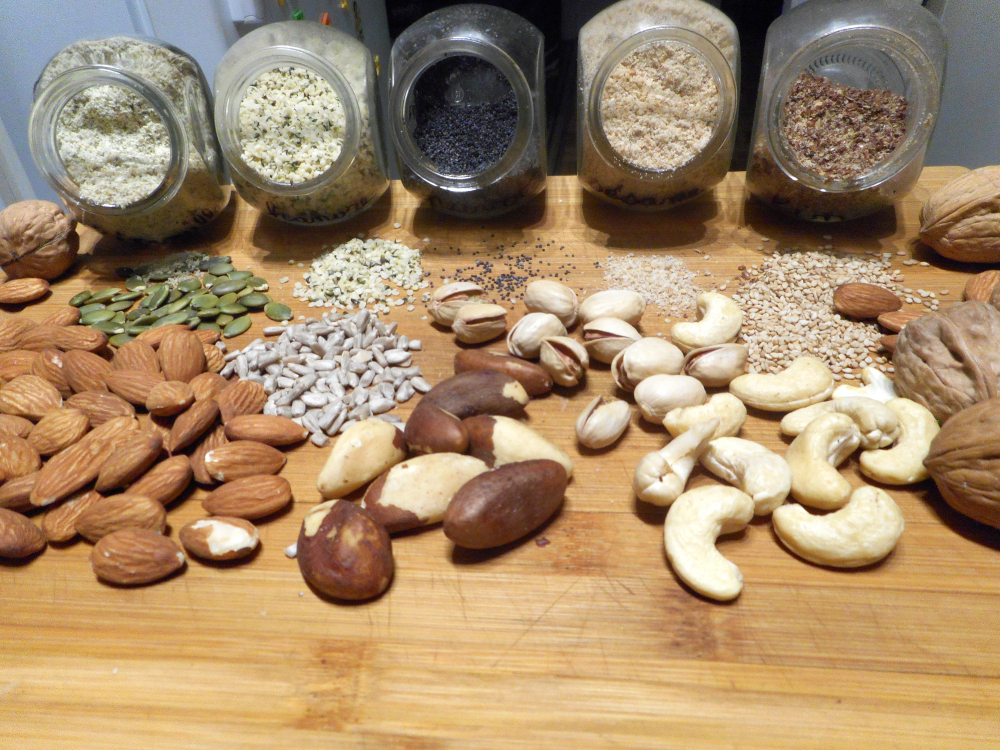

Oleaginous are plant-based food very rich in essential fatty acids useful for the proper functioning of our cells. These are seeds or fruits grown and harvested to extract, most often, edible vegetable oils.
They can also be eaten as is or in the form of puree and/or butter such as tahini (sesame), almond butter, pumpkin butter, sunflower butter, etc. and even make excellent homemade vegetable milks (pecan nuts, Brazil nuts, coconut, hazelnuts, almonds, etc.).
In this family of oleaginous, we distinguish:
- Oilseeds (flax, sesame, pumpkin, hemp, poppy, sunflower etc.)
- Oleaginous nuts (almonds, hazelnuts, walnuts, etc.)
- Oleaginous fruits (avocados, coconuts, olives)
The nutritional qualities of these seeds or fruits are real treasures for our health. Indeed, they contain large quantities of lipids (good fats), most often including omega 3 type fatty acids, omega 6 type fatty acids or both.
They are low in carbohydrates (different types of sugar), high in quality fiber (necessary for good intestinal health) and vegetable proteins. They also contain large amounts of vitamin E (powerful antioxidant), group B vitamins…, good sources of minerals and trace elements (calcium, magnesium, potassium, copper, manganese, zinc…) etc.
Their consumption in a healthy, varied and balanced diet brings many benefits to our health. These foods become, thanks to their nutritional qualities, a valuable aid: to promote good cardiovascular health, to prevent the risk of type 2 diabetes, to regulate cholesterol levels and to stabilize blood sugar, to lower blood pressure, to maintain a healthy weight despite the calories and ideal for snacking cravings (satiating effect), to provide the organism with good quality fatty acids, for better intestinal transit, to boost immunity, to give energy and more…
Do not hesitate to vary their consumption, if you eat them every day, because depending on the seeds chosen or the fruits, the fatty acid and mineral intake will be different. Indeed, certain fruits such as almonds will provide more monounsaturated fatty acids while flax or hemp seeds will provide more polyunsaturated fatty acids (omega 6 and omega 3 called essential because the organism cannot manufacture them).
Caution: All oleaginous are allergenic and can trigger allergic reactions, avoid consuming them in case of allergies.
How to buy them:
The oilseeds:
The best is to buy them whole, preferably organic, and crush or grind them as needed, in small quantities. Then you can put them in small glass jars (photo above).
Oleaginous nuts or oleaginous fruits:
They must be purchased, unshelled (for nuts) in organic product stores, small greengrocers or producers. Avoid the big brands where they have been hanging on the shelves a little too long (for my taste).
Why to crush and/or grind them:
All oilseeds can be cracked or ground. Personally, I keep shelled raw hemp seeds as is, otherwise I grind or crush all the others.
You should know that the stomach cannot dissolve their envelope which will then pass quickly through the organism without leaving any trace of its passage and the benefits of which the absorption of these good fatty acids will be nil.
However, I crush some nuts that are a bit too hard or to add them to cake mixes.
The seeds are to be eaten sprinkled on salads, in soups, sauces, meals, in pesto, smoothies or cookies...
As for me, I prefer to sprinkle them in salads or add them to soups (at the last moment before serving).
Let’s run through some characteristics of some oilseeds:
Group B vitamins, vitamin E (with antioxidant properties) ...
Source of vegetable proteins (including the 9 essential amino acids)
Quality fiber
Rich in minerals and trace elements: Iron, calcium, magnesium, zinc, potassium, manganese, copper...
Good ratio between omega 6 (linoleic acid) and omega 3 (alpha-linolenic acid)
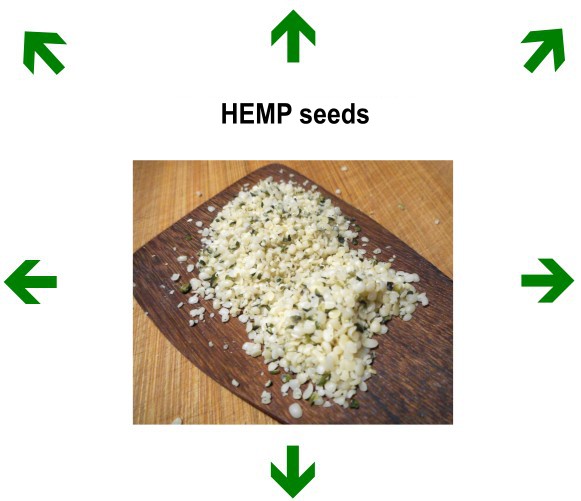
Thanks to their nutritional values, hemp seeds promote good cardiovascular health, regulate cholesterol levels, help control blood sugar, facilitate intestinal transit and weight control (satiating virtues), strengthen the immune system, etc. Hemp seeds do not contain gluten (interesting alternative for intolerant people).
Complete proteins (contain all essential amino acids)
Minerals and trace elements: Calcium, iron, magnesium, potassium, phosphorus, manganese…
Source of dietary fiber

Good fatty acids (omega 3 and omega 6)
Group B vitamins (including B9), vitamins C and E (antioxidant)…
Thanks to their nutritional values, chia seeds promote good cardiovascular health, improve brain function (memory and concentration), strengthen the immune system, regulate cholesterol levels and blood pressure, etc. Chia seeds are low in calories and contain no gluten (interesting alternative for intolerant people).
Source of vegetable proteins
Rich in magnesium, potassium, calcium, iron, phosphorus, zinc, manganese...
Dietary fiber

Essential fatty acids
Vitamin E (antioxidant), group B vitamins (including B2), vitamins A and C…
Thanks to their nutritional values, pumpkin seeds are a valuable aid in relieving bladder symptoms and benign prostatic hyperplasia (BPH), to lower bad cholesterol levels, stimulate the immune system, promote good cardiovascular health, regulate blood pressure etc.
Source of vegetable proteins
Minerals and trace elements: Calcium, copper, magnesium, potassium, manganese, zinc, selenium, phosphorus…
Dietary fiber
Rich in essential fatty acids
Group B vitamins (B1, B2, B5, B6…), vitamin E (powerful antioxidant)…
Thanks to their nutritional values, flax seeds help reduce bad cholesterol levels and support the production of good cholesterol (HDL), promote good cardiovascular and intestinal health, regulate blood pressure, strengthen the immune system, etc.
Source of vegetable proteins
Very rich in minerals and trace elements: Calcium, magnesium, zinc, phosphorus, iron and potassium...
Dietary fiber

Good polyunsaturated and monounsaturated fatty acids
Group B vitamins (B1, B2…), vitamin A, vitamin E (antioxidant)…
Thanks to their nutritional values, poppy seeds promote good cardiovascular health, improve the proper functioning of cells and digestion, strengthen the immune system, allow relaxation of the nervous system (natural sedative), strengthen bones, etc.
Source of dietary fiber
Rich in calcium, iron, magnesium, copper, zinc, manganese, phosphorus...
Vegetable proteins
Quality lipids
Group B vitamins (B1, B2, B3, B6…), vitamin E (powerful antioxidant)…
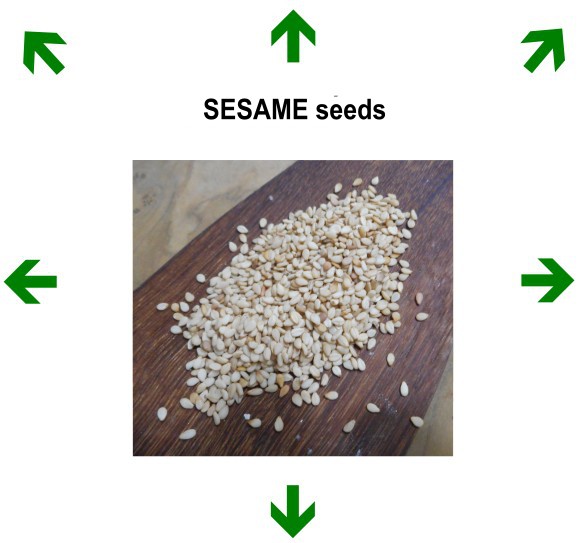
Thanks to their nutritional values, sesame seeds are a great help to prevent diabetes, to reduce high cholesterol levels and regulate blood pressure, to promote blood clotting, to fight (thanks to their antioxidants) against the aging of cells, excellent for bone health (calcium) etc.
Vegetable proteins
High mineral content: Calcium, magnesium, zinc, potassium, phosphorus, manganese
Rich in unsaturated fatty acids

Dietary fiber
Vitamin E (antioxidant), group B vitamins (B1, B2, B3, B5, B6, B9)…
Thanks to their nutritional values, sunflower seeds promote good cardiovascular health, good maintenance of bones, teeth, strengthen the immune system, help reduce blood pressure and lower bad cholesterol levels, etc.
Let’s run through some characteristics of some oleaginous nuts:
Vegetable proteins
Minerals and trace elements: Calcium, magnesium, phosphorus, copper, zinc, manganese, potassium iron…
Dietary fiber
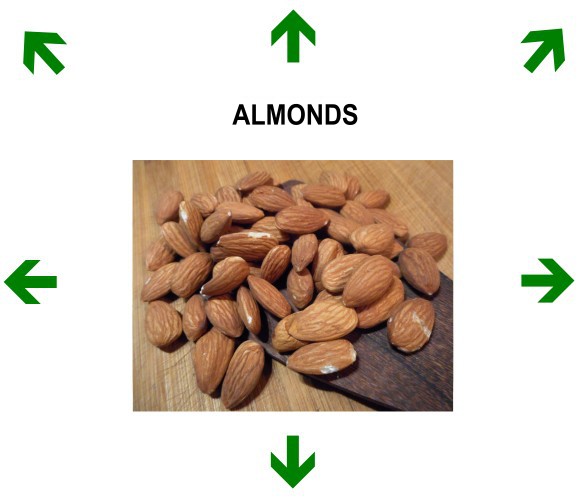
Lipids (good fats)
Rich in vitamin E (antioxidant power), group B vitamins (B1, B2, B3, B9)…
Almonds are very nutritious, energizing and remineralising. Thanks to their nutritional values, they provide cardioprotective properties, have a low glycemic index, play a beneficial role in reducing cholesterol and blood pressure, strengthen cognitive functions, etc.
Dietary fiber
Minerals and trace elements: Calcium, manganese, copper, zinc, iron, magnesium, phosphorus...
Oleaginous fruit that contains the most fat (monounsaturated fatty acids)
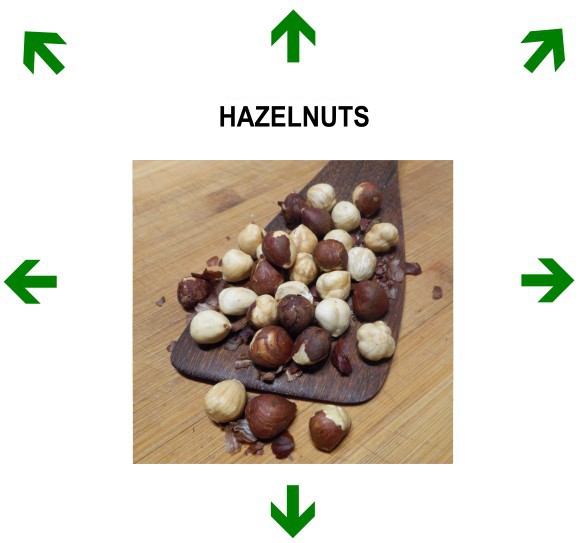
Vegetable proteins
Group B vitamins (B1, B5, B6, B9), vitamin E (powerful antioxidant)…
Hazelnuts are the most digestible of all oleaginous fruits. Thanks to their nutritional values, they become a valuable aid in the reduction of bad cholesterol and type 2 diabetes, to prevent cardiovascular disease, for the proper functioning of the immune and nervous system, low glycemic index, etc.
Large quantity of dietary fiber
Vitamin E (powerful antioxidant), group B vitamins (including B1)…
Vegetable proteins
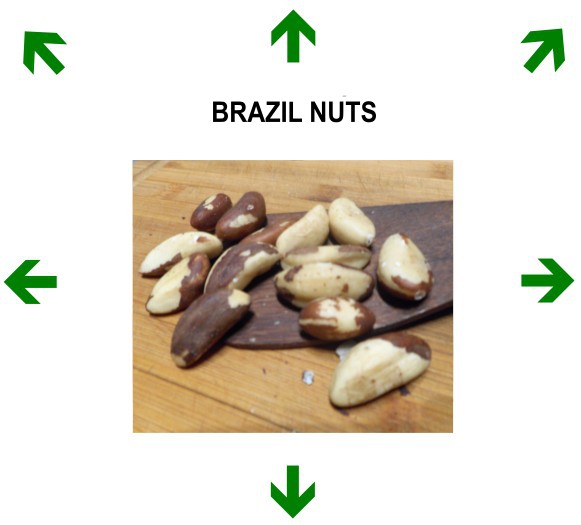
Lipids (polyunsaturated fatty acids)
Minerals and trace elements: Magnesium, zinc, phosphorus with an exceptional selenium content...
Thanks to their nutritional values, Brazil nuts play a beneficial role in the reduction of bad cholesterol, in the management of blood sugar, in cardiovascular protection, for the proper functioning of the immune system and the thyroid gland, to reduce aging cells and maintain good skin elasticity (combination of vitamin E and selenium) etc.
Quality vegetable proteins
Group B vitamins (including B9), vitamin E (antioxidant properties), vitamin K…
Soluble fiber
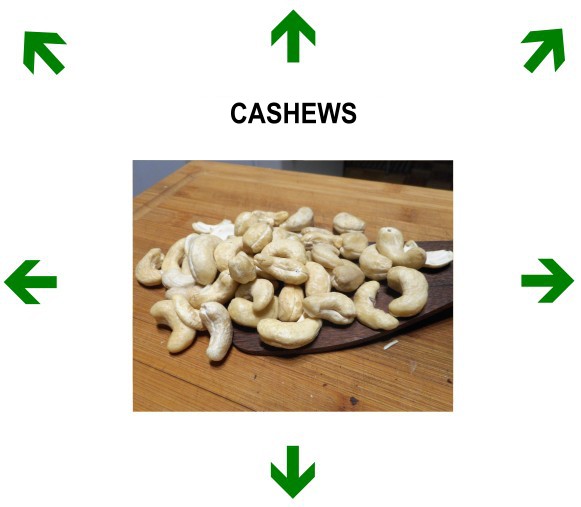
Lipids (good fats)
Minerals and trace elements: Magnesium, phosphorus, iron, zinc, copper, selenium…
Thanks to their nutritional values, cashews become a valuable aid in cardiovascular prevention, to reduce the risk of diabetes, to lower blood pressure, to give energy, etc.
Rich in dietary fiber
Group B vitamins (including B9 folic acid), vitamin E (powerful antioxidant), vitamin D…
Vegetable proteins
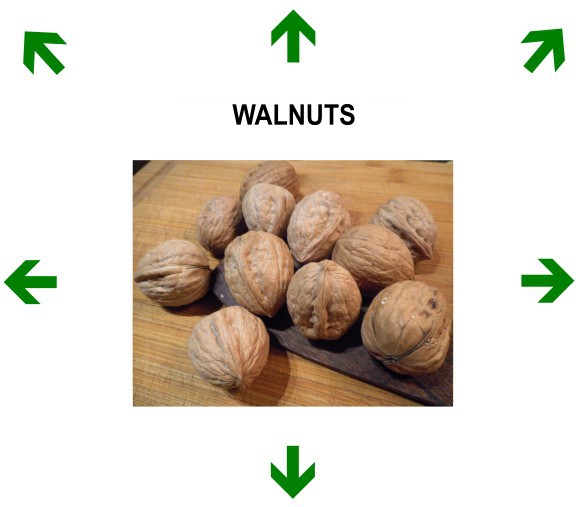
Omega 3 fatty acids
Minerals and trace elements: Nuts that contain the most copper and potassium, zinc, iron, magnesium, phosphorus...
Thanks to their nutritional values, walnuts strengthen the immune system, promote thyroid function, help prevent cardiovascular disease, reduce the risk of type 2 diabetes, regulate intestinal transit, improve the elasticity of blood vessels, etc.
Vegetable proteins
Group B vitamins (including B1 thiamine), vitamin E (antioxidant)…
Rich in fat
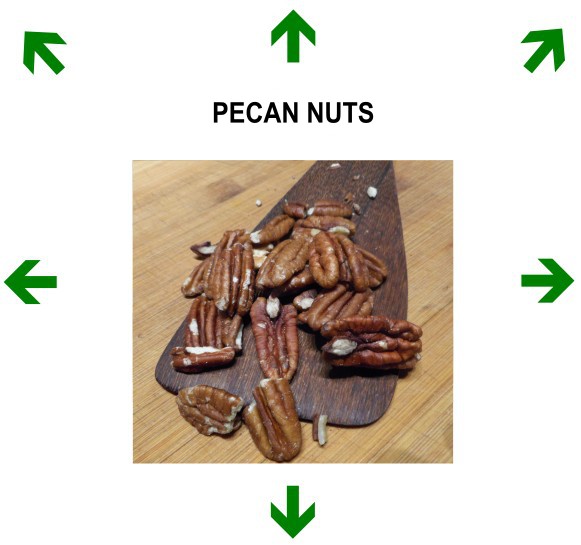
Source of dietary fiber
Minerals and trace elements: Magnesium, manganese, copper, rich in zinc, phosphorus, sulfur, iron…
Thanks to their nutritional values, pecans promote good cardiovascular health and energy production, participate in cell regeneration and lower bad cholesterol (LDL), help regulate blood sugar, stimulate the immune system etc.
Dietary fiber
Minerals and trace elements: Phosphorus, iron, manganese, copper, potassium, rich in magnesium, zinc...
Vegetable proteins
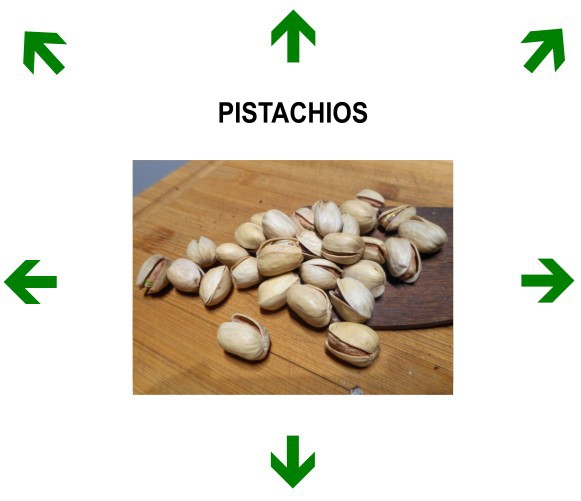
Good fatty acids
Group B vitamins (including B1, B6 pyridoxine), vitamin E (powerful antioxidant) vitamin K…
Pistachios are low in calories. Thanks to their nutritional values, they promote good cardiovascular health, strengthen the immune system, help reduce cholesterol, type 2 diabetes and blood pressure, ensure good health of bones and teeth, etc.
Let’s run through some characteristics of some oleaginous fruits:
Dietary fiber
Group B vitamins (including B9), vitamin E (with antioxidant properties), vitamin K, etc.
Vegetable proteins

Good unsaturated fatty acids
Rich in potassium, magnesium, manganese, iron phosphorus, zinc...
Thanks to their nutritional values, avocados promote good cardiovascular health, help lower bad (LDL) cholesterol, stabilize blood sugar, stimulate intestinal transit, improve sleep, balance the nervous system, etc.
Coconut is a high-calorie fruit, rich in dietary fiber and saturated fats (few unsaturated fats) …
To consume with moderation
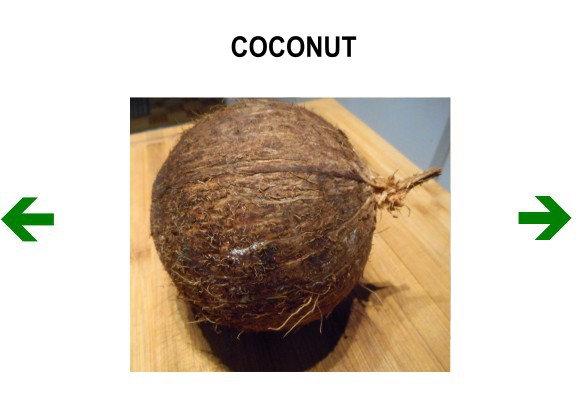
Coconut is a good source of phosphorus, magnesium, iron, copper, potassium etc. group B vitamins, vitamins E and K…
Numerous mineral salts: Phosphorus, sulfur, magnesium. calcium, iron, copper, manganese…
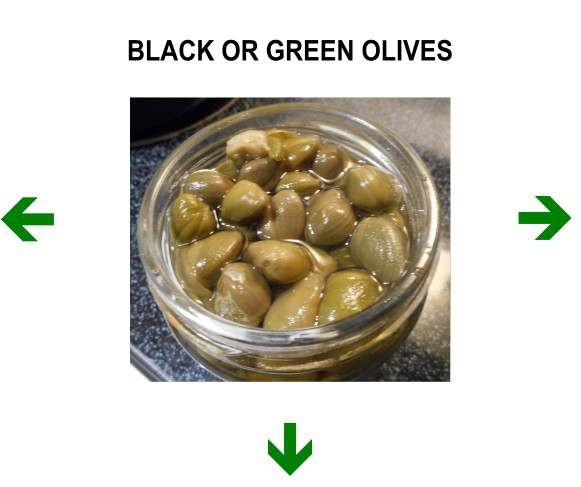
High content of vitamin E (powerful antioxidant,) vitamin A, group B vitamins…
The black olive (more digestible) is only the green olive that has reached maturity. Olives are high in calories, you can eat them in moderation, especially if they have been preserved in brine (too much sodium). Prefer quality olive oil, from the 1st cold pressing, which, thanks to its nutritional values (monounsaturated fatty acids), improves good cardiovascular health, stimulates transit, provides an anti-inflammatory action (polyphenols), helps keep good skin elasticity, strengthen immune system and memory etc.
I have shared with you my personal approach, my experiences and my knowledge of the nutritional properties that these plant-based food bring to our organism. However, this article can in no way be considered as medical advice.